


 Thai
Thai


การอธิบายเมตา
เปรียบเทียบ RAID 5 และ RAID 10 สําหรับเซอร์เวอร์ธุรกิจ เรียนรู้ความแตกต่างในการทํางาน, การคุ้มครองข้อมูล, และต้นทุนเพื่อเลือกการปรับปรุง RAID ที่ดีที่สุดสําหรับพื้นฐานไอทีธุรกิจ
RAID 5 vs RAID 10: คู่มือการตัดสินใจในการเก็บข้อมูลขององค์กร
ในพื้นฐานไอทีขององค์กรที่ทันสมัย ความน่าเชื่อถือของข้อมูลและผลงานในการเก็บข้อมูล เป็นปัจจัยสําคัญที่ส่งผลกระทบต่อการดําเนินธุรกิจโดยตรง
หนึ่งในหัวข้อที่พูดถึงบ่อยที่สุดในสถาปัตยกรรมเซอร์เวอร์คือ:
RAID 5 vs RAID 10 ✅ อันไหนดีกว่าสําหรับเซอร์เวอร์ธุรกิจ?
ทั้งสองระดับ RAID ถูกใช้อย่างแพร่หลายในสภาพแวดล้อมขององค์กร รวมถึงเซอร์เวอร์จาก Dell Technologies และ Hewlett Packard Enterprise
อย่างไรก็ตาม พวกมันใช้ในวัตถุประสงค์ที่แตกต่างกันขึ้นอยู่กับประเภทของภาระงาน ความต้องการการทํางาน และการพิจารณางบประมาณ

1RAID ในเซอร์เวอร์ Enterprise คืออะไร?
RAID (Redundant Array of Independent Disks) เป็นเทคโนโลยีในการเก็บข้อมูลที่รวมหลายแผ่นดิสก์ฟิสิกส์เป็นหน่วยโลจิกเดียว เพื่อปรับปรุง:
- ผลงาน
- การขยายข้อมูล
- ความอดทนความผิดพลาด
- ประสิทธิภาพในการเก็บ
เซอร์เวอร์ธุรกิจใช้คอนโทรลเลอร์ RAID ฮาร์ดแวร์เพื่อให้การทํางานมั่นคงและน่าเชื่อถือ
2RAID 5 คืออะไร?
การใช้ RAID 5การผ่าตัดในระดับบล็อกที่มีการกระจาย parity.
วิธีการทํางาน:
- ข้อมูลถูกแบ่งออกเป็นหลายแผ่น
- ข้อมูลความเท่าเทียมกันถูกกระจาย
- จําเป็นต้องมีอย่างน้อย 3 ดิสก์
ข้อดี:
- ความสมดุลที่ดีของประสิทธิภาพการทํางานและประสิทธิภาพการเก็บ
- ค่าใช้จ่ายต่ํากว่า RAID 10
- สามารถอยู่รอดกับการล้มเหลวของดิสก์ได้
ข้อเสีย:
- ผลงานการเขียนที่ช้าลงเนื่องจากการคํานวณ parity
- ระยะเวลาในการสร้างใหม่ที่ยาวกว่า
- ความเสี่ยงสูงขึ้นในระหว่างกระบวนการสร้างใหม่
กรณีการใช้ที่ดีที่สุด:
- ระบบเก็บไฟล์
- เซอร์เวอร์สํารอง
- สภาพแวดล้อมที่มีภาระงานต่ําถึงกลาง
3RAID 10 คืออะไร?
รวมเครื่อง RAID 10การสะท้อน (RAID 1)และการตัดเส้น (RAID 0).
วิธีการทํางาน:
- ข้อมูลถูกสะท้อนผ่านไดสก์
- จากนั้นก็ถอดเป็นเส้นสําหรับการแสดง
- จําเป็นต้องมี 4 แผ่นอย่างน้อย
ข้อดี:
- อัตราการอ่านและเขียนที่ดี
- ความหลากหลายสูงและการคุ้มครองข้อมูล
- ระยะเวลาในการสร้างใหม่เร็ว
- ทนทานมากภายใต้ภาระงานหนัก
ข้อเสีย:
- ค่าใช้จ่ายสูงขึ้น (50% ประสิทธิภาพในการเก็บ)
- จําเป็นต้องมีไดสก์มากกว่า
กรณีการใช้ที่ดีที่สุด:
- Server ระบบข้อมูล
- สถานการณ์เวอร์ชูเอลชั่น
- แอปพลิเคชั่นธุรกิจที่มีประสิทธิภาพสูง
- ระบบการเงิน
4. RAID 5 vs RAID 10: การเปรียบเทียบการทํางาน
|
ลักษณะ |
RAID 5 |
RAID 10 |
|
อ่านผลการทํางาน |
ดี |
ดีมาก |
|
เขียน Performance |
กลาง |
ดีมาก |
|
ความอดทนต่อความผิดพลาด |
1 ความล้มเหลวของดิสก์ |
การล้มเหลวของแผ่นหลายครั้ง (ขึ้นอยู่กับกระจก) |
|
สร้างความเร็วใหม่ |
นิ่งๆ |
เร็วๆ |
|
ประสิทธิภาพในการเก็บ |
สูง |
กลาง |
|
ประสิทธิภาพการใช้จ่าย |
ดีกว่า |
ค่าใช้จ่ายสูงขึ้น |
5ความน่าเชื่อถือและการคุ้มครองข้อมูล
การคุ้มครองข้อมูลเป็นหนึ่งในข้อพิจารณาที่สําคัญที่สุดในการออกแบบการเก็บข้อมูลขององค์กร
RAID 5:
- สามารถจัดการกับความล้มเหลวของดิสก์เดียวได้
- ความเสี่ยงเพิ่มขึ้นระหว่างกระบวนการสร้างใหม่
- ไม่เหมาะสมสําหรับสภาพแวดล้อมการเขียนที่สูง
RAID 10:
- ให้บริการกระจกกระจกเต็ม
- ปลอดภัยกว่ามากในช่วงการล้มเหลวของดิสก์
- สนใจสําหรับระบบที่มีความสําคัญต่อภารกิจ
ผู้ใช้บริการธุรกิจในบริการธนาคารและสภาพแวดล้อมการเสมือนธรรมดาชอบ RAID 10 เนื่องจากความมั่นคงสูงกว่า
6. การทํางานในสภาพแวดล้อมการเสมือน
ในภาระงานเวอร์ชูเอล เช่น VMware หรือ Hyper-V ผลประกอบการในการเก็บข้อมูลมีผลต่อการตอบสนองของเครื่องเวอร์ชูเอลโดยตรง
RAID 5 ใน Virtualization
- เหมาะสําหรับภาระการทํางานเบา
- อาจทําให้การทํางานลําบาก ภายใต้ I/O ที่หนัก
RAID 10 ใน Virtualization:
- ผลงาน IOPS ที่สูง
- การตอบสนอง VM ที่ดีขึ้น
- ทันทนาการภายใต้ภาระงานหนัก
นี่คือเหตุผลที่ RAID 10 ถูกใช้ทั่วไปในเซอร์เวอร์เวอร์ชูเอชั่นองค์กรที่สร้างขึ้นบนแพลตฟอร์ม Dell Technologies และ Hewlett Packard Enterprise
7การพิจารณาค่าใช้จ่าย
RAID 5:
- ค่าใช้จ่ายต่ํากว่าต่อ TB ที่ใช้ได้
- เหมาะสําหรับระบบเก็บของที่มีความรู้สึกต่องบประมาณ
RAID 10:
- ค่าใช้จ่ายเครื่องจักรสูงขึ้น
- ความน่าเชื่อถือและผลงานในระยะยาวที่ดีกว่า
- ความเสี่ยงต่ํากว่าของการเสียค่าใช้จ่ายในช่วงเวลาหยุดทํางาน
ในสภาพแวดล้อมขององค์กร ค่าเวลาหยุดทํางานมักจะสูงกว่าค่าฮาร์ดแวร์ ทําให้ RAID 10 เป็นตัวเลือกที่ชอบ
8คุณควรเลือก RAID ไหน?
เลือก RAID 5 หาก:
- งบประมาณจํากัด
- การทํางานส่วนใหญ่คือการอ่านหนัก
- ข้อมูลไม่ได้สําคัญกับภารกิจ
- ระบบสํารองถูกวางไว้
เลือก RAID 10 หาก:
- คุณทํางานบนแพลตฟอร์มเวอร์ชูเอชั่น
- คุณใช้แอพลิเคชั่นฐานข้อมูล
- คุณต้องการความพร้อมสูง
- การทํางานเป็นสิ่งสําคัญ
- เวลาหยุดทํางานไม่ยอมรับ
9. แนะนําการตั้งค่า Enterprise RAID
ตัวอย่างที่ 1: เซอร์เวอร์เสมือน
- RAID 10
- การเก็บข้อมูลใน SSD NVMe
- การสนับสนุนภาระงาน IOPS ที่สูง
ตัวอย่าง 2: เซอร์เวอร์เก็บไฟล์
- RAID 5
- ไดรฟ์ SATA/SAS
- ค่าใช้จ่ายที่สมดุล
ตัวอย่างที่ 3: Server ข้อมูล
- RAID 10
- SSD/NVMe ความเร็วสูง
- การปรับปรุงความช้าต่ํา
10. RAID ในเซอร์เวอร์ธุรกิจสมัยใหม่
เซอร์เวอร์ธุรกิจที่ทันสมัยจาก Dell Technologies และ Hewlett Packard Enterprise รองรับเครื่องควบคุม RAID ที่มีความก้าวหน้าที่ให้บริการ:
- การประมวลผล RAID ระดับฮาร์ดแวร์
- การสนับสนุนแผ่นที่เปลี่ยนได้ร้อน
- การติดตามในเวลาจริง
- อัตโนมัติกลไกการสร้างใหม่
คุณสมบัติเหล่านี้มีความจําเป็นในการรักษาเวลาทํางานระดับธุรกิจ
สรุป
ทั้ง RAID 5 และ RAID 10 ถูกใช้อย่างแพร่หลายในสิ่งแวดล้อม IT ขององค์กร แต่การใช้งานของพวกมันแตกต่างกันอย่างสําคัญ
- RAID 5 เหมาะสําหรับการเก็บข้อมูลที่คุ้มค่าและมีความต้องการในการทํางานที่ปานกลาง
- RAID 10 เป็นทางเลือกที่นิยมสําหรับระบบธุรกิจที่มีประสิทธิภาพสูง
สําหรับงานเวอร์ชูเอลิสיישאַן, ข้อมูลฐาน, และภาระงานขององค์กรส่วนใหญ่, RAID 10 เป็นที่แนะนําอย่างเข้มงวด เนื่องจากการทํางานและความน่าเชื่อถือที่ดีกว่า.
คําถามที่พบบ่อย (FAQ)
RAID 10 ดีกว่า RAID 5 ไหม?
ใช่ RAID 10 ให้ผลงานและความน่าเชื่อถือที่ดีกว่า แต่มีค่าใช้จ่ายสูงกว่า
RAID 5 สามารถใช้ในการเวอร์ชูเอชั่นได้หรือไม่?
สามารถใช้งานกับภาระการทํางานที่เบา แต่แนะนํา RAID 10 เพื่อผลงานที่ดีกว่า
RAID ไหนปลอดภัยสําหรับข้อมูลธุรกิจ?
RAID 10 ให้การคุ้มครองข้อมูลที่แข็งแกร่งขึ้น เนื่องจากกระจกกระจก
RAID จะเปลี่ยนสํารองได้มั้ย?
ไม่ RAID ปรับปรุงความพร้อม แต่ไม่แทนที่กลยุทธ์สํารองที่เหมาะสม
ติดต่อเรา
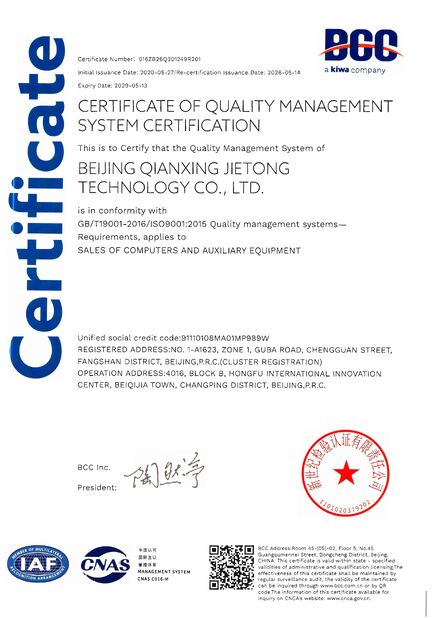
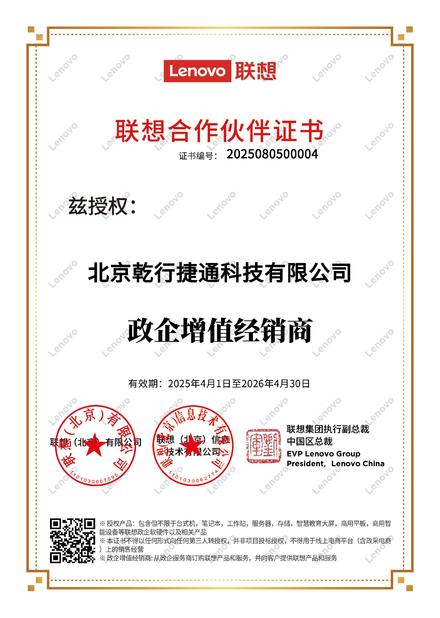
บริษัท ปักกิ่ง ชินซิง จีเตงเทคโนโลยี จํากัด จํากัด จํากัด จํากัด จํากัด จํากัด จํากัด จํากัด จํากัด
- โครงสร้างเซอร์เวอร์ Dell & HPE
- การออกแบบและปรับปรุง Raid Storage
- การแก้ไข Server Virtualization
- การสนับสนุนการจัดจําหน่ายศูนย์ข้อมูล
ติดต่อเราในวันนี้ เพื่อรับการจัดตั้งระบบการเก็บข้อมูลและ RAID ตามความต้องการของธุรกิจของคุณ
บริษัท เทคโนโลยีจีเทงจี (Beijing Qianxing Jietong Technology Co., Ltd.)
แซนดี้ แยง (Sandy Yang) ผู้อํานวยการยุทธศาสตร์โลก
วอทแอป / เวชแชท: +86 13426366826
อีเมล: yangyd@qianxingdata.com
เว็บไซต์: www.qianxingdata.com/www.storagesserver.com
เน้นธุรกิจ:
การจัดจําหน่ายสินค้า ICT/การบูรณาการระบบและบริการ/การแก้ไขพื้นฐาน
ด้วยประสบการณ์การจําหน่ายไอที 20 ปีขึ้นไป เราร่วมมือกับแบรนด์ชั้นนําระดับโลก เพื่อให้ผลิตภัณฑ์ที่น่าเชื่อถือและบริการมืออาชีพ
การใช้เทคโนโลยีเพื่อสร้างโลกที่ฉลาด ผู้ให้บริการสินค้า ICT ที่คุณไว้วางใจ