


 Thai
Thai


Dell Tech World ไม่เพียงแต่โดดเด่นด้วยการเปิดตัวสินค้าของ Dell แต่ยังเป็นด้วยการนําเสนอทางแก้ไขที่สร้างสรรค์ไม่มีประเภทใดที่ดึงดูดความสนใจมากไปกว่าเทคโนโลยีการเย็นของเหลวที่หลากหลายความสนใจในระบบเย็นของเหลวสูงมาก จนกระทั่งวิดีโอในโซเชียลมีเดีย ที่แสดงระบบเหล่านี้ ได้รับการดูเป็นล้านๆ ครั้งในช่วงไม่กี่สัปดาห์ที่ผ่านมาการเย็นของของเหลวถูกกําหนดไว้ที่จะทําทางเข้าสู่ศูนย์ข้อมูลของคุณด้านล่างมีการแยกแยกที่เน้นเทคโนโลยีที่อาจเหมาะสมกับความต้องการของคุณ ขึ้นอยู่กับที่คุณอยู่ในการเดินทางในการเย็นของเหลวของคุณ
สายวงจรภายในตรงกับชิป
วิธีที่ง่ายที่สุดในการใช้เครื่องเย็นของเหลวในศูนย์ข้อมูล คือผ่านวงจรภายในที่ปิดระบบเหล่านี้ใช้แผ่นเย็นคู่กับเรเดียเตอร์ขนาดใหญ่ เพื่อดึงความร้อนออกจากส่วนประกอบสําคัญ. JetCool นําเสนอทางออกเช่นนี้; ในงาน, พวกเขาแสดงทั้ง Intel และ AMD ระบบ Dell powered พร้อมกับวงจรปิดภายใน
ดูโพสต์นี้ในอินสตาแกรม
โพสต์ที่แบ่งปันโดย StorageReview (@storagereview)
ข้อดีใหญ่ที่สุดของระบบเหล่านี้คือพวกเขาให้ประหยัดพลังงานที่สําคัญ 10-15% ตาม JetCool โดยไม่ต้องมีความซับซ้อนของการเชื่อมต่อกับสายน้ําอํานวยความสะดวกในสถานที่วงจรเย็นของเหลวเต็มอาจไม่เป็นไปได้, ทําให้วิธีนี้เป็นทางเลือกที่ดีที่สุดสําหรับเซอร์เวอร์ที่เย็นด้วยอากาศ

JetCool วงกลมภายใน
ขณะที่การประหยัดพลังงานจากวงจรภายในที่ปิดไม่ได้สูงมากเท่าการประหยัดจากตัวเลือกอื่น ๆแม้แต่การลด 10% ก็มีความสําคัญสําหรับศูนย์ข้อมูลที่จํากัดด้วยปริมาณพลังงานที่พวกเขาสามารถให้ต่อเรคการประหยัดพลังงานเล็ก ๆ จากวงจรภายในที่ปิดสามารถรองรับเซอร์เวอร์เพิ่มเติมหนึ่งหรือสองตัวต่อเรค
คุ้มค่าอีกอย่างคือ Dell ใช้ลุปภายในในเซอร์เวอร์ PowerEdge XE8640 GPU คุณสามารถเรียนรู้เพิ่มเติมเกี่ยวกับรุ่นนี้, พร้อมกับ XE9640, ในวิดีโอ YouTube ล่าสุดที่เราผลิต
วงจรเหลวเต็มแบบตรงกับชิป
ขั้นตอนต่อไปจากวงจรภายใน คือการเชื่อมต่อกับน้ําในสถานที่ ซึ่งช่วยกําจัดความร้อน ไม่เพียงจากเซอร์เวอร์ แต่จากศูนย์ข้อมูลทั้งหมดในบทวิจารณ์ล่าสุด, เรานําเสนอระบบ CoolIT ที่เราปรับปรุงเซอร์เวอร์ R760 สําหรับการเย็นของเหลว โดยการเพิ่มแผ่นเย็น เรายังติดตั้งแมนนิโฟลด์เล็กและหน่วยกระจายน้ําเย็น (CDU)ถึงแม้ว่า CDU ของเราจะเป็นของเหลวเป็นอากาศนั่นหมายความว่า เรากําลังถอนความร้อนจาก R760 แต่ยังปล่อยมันไปยังศูนย์ข้อมูล
Dell R760 พร้อม CoolIT Coldplates
การตั้งค่าขนาดเล็กของเราสามารถรองรับเซอร์เวอร์จํานวนไม่กี่ตัว แต่ถ้าคุณกําลังเตรียมตัวสําหรับเซอร์เวอร์ GPU Dell PowerEdge XE9680L ที่ทําความเย็นด้วยเหลวใหม่CoolIT ได้เป็นพันธมิตรสําคัญในแผนที่ทาง Dell สําหรับการทําความเย็นแบบเหลวและในงานนี้ พวกเขาได้นําเสนอจานเย็น Omni ใหม่ของพวกเขา CDU ที่ทันสมัย และเทคโนโลยีการเย็นอื่น ๆ อีกมากมาย
แต่การเย็นโดยตรงกับชิปไม่ใช่การแก้ไขแบบเดียวสําหรับทุกคน มีวิธีการนําไปใช้หลายวิธีซึ่งใช้วิธีการ 2 ขั้นตอนเฉพาะในการเย็นชิป. ZutaCore มีจอหลายตัว โดยจุดเด่นคือเซอร์เวอร์ GPU XE9680 ที่ได้รับการปรับปรุงหลัง พร้อมกับแผ่นเย็น 14 หน่วย 8 หน่วยสําหรับ GPU, 4 หน่วยสําหรับสวิตช์, และ 2 หน่วยสําหรับ CPU.นี่คือเทคโนโลยีที่น่าสนใจมากและเรามีโพดแคสต์ที่ลึกซึ้งเกี่ยวกับเรื่องนี้ ถ้าคุณอยากรู้เพิ่มเติม
ดูโพสต์นี้ในอินสตาแกรม
โพสต์ที่แบ่งปันโดย StorageReview (@storagereview)
เพื่อยกย่องอีกรูปแบบของการเย็นโดยตรงกับชิป เราจะกล่าวถึง Chilldyneเราพบกับสมาชิกของทีมงานของพวกเขา ที่บาร์โรงแรมเพื่อให้ชัดเจน ชิลดีนเป็นพันธมิตรของเดล เราเห็นอุปกรณ์ของพวกเขาในห้องทดลองของเดล
นวัตกรรมสําคัญของ Chilldyne คือวงจรเหลวความดันลบ ซึ่งหมายความว่าถ้าสายถูกตัด ไม่มีเหลวสูญเสียดังนั้น Chilldyne ก็มีอะไรสําคัญอยู่ตรงนี้เราสร้างวิดีโอสั้นๆ เพื่อยกย่องเทคโนโลยีของพวกเขา ซึ่งกลายเป็นวิดีโอสื่อสังคมที่นิยมที่สุดในปีนี้
ดูโพสต์นี้ในอินสตาแกรม
โพสต์ที่แบ่งปันโดย StorageReview (@storagereview)
เครื่องแลกเปลี่ยนความร้อนประตูหลัง (RDHx)
เครื่องแลกเปลี่ยนความร้อนประตูหลัง คือ เครื่องแลกเปลี่ยนความร้อนแบบอัตโนมัติ หรืออัตโนมัติ ที่ใช้แทนประตูหลังของราคเซอร์เวอร์โดยพื้นฐานแล้วพวกมันจะดูดร้อนจากอากาศระเหยของเซอร์เวอร์ และส่งมันไปยังวงจรของเหลวสําหรับการเย็นประตูปาสิฟิคเงียบโดยสิ้นเชิง โดยไม่มีพัดลม ขณะที่ RDHx ที่ทํางานสามารถเพิ่มพัดลม เพื่อเพิ่มประสิทธิภาพ
ลีเบิร์ต DCD50 RDHx
ขณะที่ RDHx ไม่ได้เป็นจุดมุ่งเน้นหลักของ Dell Tech World แต่มันควรระบุด้วยเหตุผลสําคัญสองอย่างพวกเขาเป็นขั้นตอนแรกที่ค่อนข้างง่าย ในการเพิ่มความเย็นของเหลวสู่ศูนย์ข้อมูลของคุณ และสามารถนําไปใช้ในรูปแบบที่แตกต่างกันอันดับสอง RDHx สามารถจับคู่กับเทคโนโลยีการเย็นของเหลวอื่น ๆ เพื่อบรรลุการเก็บความร้อน 100% ผ่านการเย็นของเหลว
ลีเบิร์ต DCD50 RDHx
เกือบทุกบริษัทที่ทํางานในระดับเรค (rack) ให้บริการในรูปแบบของ RDHx เช่น Dell Tech World เช่น CoolIT และ Vertivคุ้มค่าอีกอย่างคือ Dell กําลังส่งเสริม RDHx ในส่วนของนโยบาย XE9680L: การออกแบบ 70KW ที่ใช้การเย็นอากาศด้วยเครื่องแลกเปลี่ยนความร้อนประตูหลัง (RDHx) รองรับ 64 GPU ที่เหมาะสมสําหรับ NVIDIA H100 / H200 / B100 เรามีการออกแบบ 100KW ที่ใช้การเย็นของเหลวด้วย RDHxรองรับ 72 B200 GPUs นี่คือสถาปัตยกรรมขนาด rack ที่คอมพัคต์ที่สุดในอุตสาหกรรม.
การลดความเย็นของของเหลวด้วยการจมเต็ม
จนถึงจุดนี้ ทางเลือกในการทําความเย็นของน้ํายาในศูนย์ข้อมูลอื่นๆ ที่เราได้พูดถึงตามผลตอบกลับที่เราได้รับตามที่ชื่อชี้ให้เห็น เทคโนโลยีนี้นําเซอร์เวอร์ที่พร้อมใช้ (มีการปรับปรุงเล็กน้อย) และดําน้ําพวกเขาในเหลววิศวกรรม (สารเย็นแบบ dielectric ที่เป็นสิทธิพิเศษ)ผลิตของเหลวสําหรับวัตถุนี้เราเคยเห็นเรคแบบจมน้ําเต็มที่งานแสดงสินค้า เช่น Dell Tech World มา 3-4 ปีแล้ว และปีนี้ทั้ง Submer และ GRC ได้นําเสนอการแสดงการจมน้ําสด
ดูโพสต์นี้ในอินสตาแกรม
โพสต์ที่แบ่งปันโดย StorageReview (@storagereview)
การลดความเย็นด้วยการจมลงในระยะเดียว (ระยะสองมีช่วงเวลาที่ยอดนิยมในระยะสั้น แต่ได้ตกหล่นไปในส่วนใหญ่) มีเหตุผลในหลายกรณีและเป็นที่นิยมในหมู่คนทําเหมืองแร่ Crypto. อย่างไรก็ตามกติกาการเปลี่ยนแปลงเล็กน้อยเมื่อพิจารณาเซอร์เวอร์ธุรกิจ เช่น ระบบ PowerEdgeสําหรับเซอร์เวอร์ ขั้นตอนแรกคือการถอดลมพัดลม ซึ่งช่วยประหยัดพลังงานได้ทันที การกระบวนการกระบวนการกระบวนการกระบวนการกระบวนการกระบวนการกระบวนการกระบวนการกระบวนการกระบวนการจากที่นั่น, ความร้อนถูกจับโดยผ่านเครื่องแลกเปลี่ยนความร้อนและถอนออกจากศูนย์ข้อมูล
ระบบนี้กําจัดความจําเป็นของการเย็นอากาศและทั้ง GRC และ Submer อ้างอิงข้อมูลที่แสดงให้เห็นว่าเซอร์เวอร์ที่เย็นด้วยการจมน้ํามีอายุการใช้งานยาวนานและมีอุบัติเหตุการบริการน้อยกว่าเซอร์เวอร์ที่เย็นด้วยอากาศแต่หนึ่งในโจทย์ท้าทายที่ใหญ่ที่สุดคือเซอร์เวอร์ต้องถอนออกจากของเหลวเพื่อการบํารุงรักษา แม้ว่ามันจะไม่ยาก แต่มันยุ่งยากกว่าการบํารุงรักษาอุปกรณ์เรคดั้งเดิมเซอร์เวอร์ที่ดําน้ําต้องถูกนําออกจากของเหลวผงผงผงผงผงผงผงผงผงผงผงผงผงผงผงผงผงผงผง
ความกังวลอื่น ๆ ประกอบด้วยน้ําหนักของถังและของเหลว รวมถึงประสิทธิภาพของพื้นที่พื้นเมื่อเทียบกับ racks แบบตั้งมาตรฐานสาขาอุตสาหกรรมการดําน้ําอ้างว่าถังน้ําสามารถต้อนกันได้ และว่าระบบในถังน้ําดําน้ําเป็นจริงมีประสิทธิภาพมากกว่าเรามีโพดแคสข้อมูลเกี่ยวกับการลดความเย็นด้วยการดําน้ํา ถ้าคุณต้องการดําน้ําลึกกว่านี้
สรุป
หากองค์กรของคุณมีส่วนร่วมกับ AI หรือแอพลิเคชั่นอื่นๆ ที่ใช้การตั้งค่า GPU ที่หนาแน่น การทําความเย็นของของเหลวเป็นสิ่งที่หลีกเลี่ยงไม่ได้สําหรับศูนย์ข้อมูลของคุณมันน่าจะเป็นมากว่าถ้าคุณซื้อเซอร์เวอร์ GPU 8 ทางในวันนี้เมื่อมันมาถึงโรงงานของคุณในอีกปี มันจะมาพร้อมกับวงจรภายในที่ปิดข่าวดีคืออุตสาหกรรมกําลังระบุอุปสรรคในการรับใช้, เช่นการขาดแคลนของพานรวมทั่วไป, และทํางานเพื่อแก้ปัญหาเหล่านี้, ทําให้ความเย็นของเหลวเข้าถึงได้มากขึ้นสําหรับบริษัท.
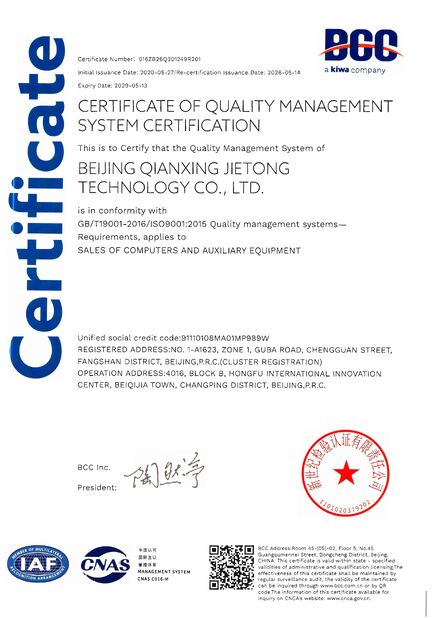
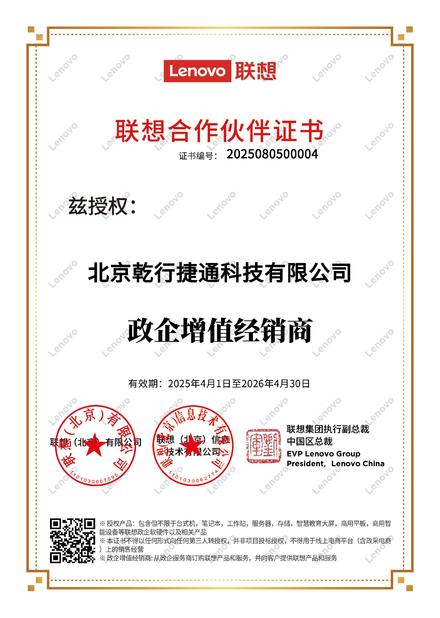
บริษัท เทคโนโลยีจีเทงจี (Beijing Qianxing Jietong Technology Co., Ltd.)
แซนดี้ แยง (Sandy Yang) ผู้อํานวยการยุทธศาสตร์โลก
วอทแอป / เวชแชท: +86 13426366826
อีเมล: yangyd@qianxingdata.com
เว็บไซต์: www.qianxingdata.com/www.storagesserver.com
แซนดี้ แยง (Sandy Yang) ผู้อํานวยการยุทธศาสตร์โลก
วอทแอป / เวชแชท: +86 13426366826
อีเมล: yangyd@qianxingdata.com
เว็บไซต์: www.qianxingdata.com/www.storagesserver.com
เน้นธุรกิจ:
การจัดจําหน่ายสินค้า ICT/การบูรณาการระบบและบริการ/การแก้ไขพื้นฐาน
ด้วยประสบการณ์การจําหน่ายไอที 20 ปีขึ้นไป เราร่วมมือกับแบรนด์ชั้นนําระดับโลก เพื่อให้ผลิตภัณฑ์ที่น่าเชื่อถือและบริการมืออาชีพ
การใช้เทคโนโลยีเพื่อสร้างโลกที่ฉลาด ผู้ให้บริการสินค้า ICT ที่คุณไว้วางใจ